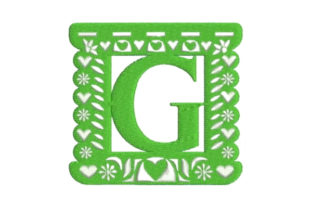
Papel Picado Alphabet G
First Impression: Festive, Folk-Art Boldness with Handmade Soul
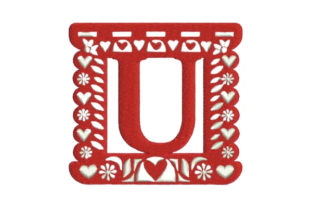
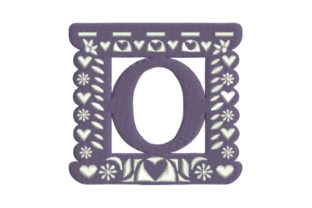
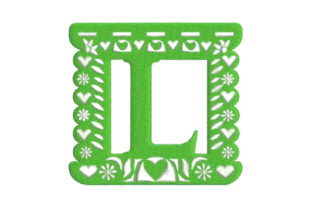
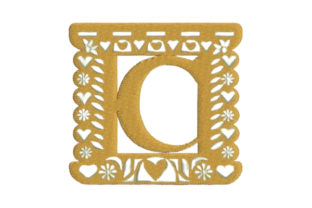
As an embroidery designer who’s stitched for 14 craft fairs—from Santa Fe to San Miguel—I unzipped Papel Picado Alphabet G expecting charm. What I got was instant visual energy: a letter that breathes Mexico’s papel picado tradition—delicate cut-paper symmetry, rhythmic negative space, and joyful intricacy—translated into thread. It’s not minimalist. It’s not rustic farmhouse or sleek modern. It’s festive and decorative, with confident line weight and balanced open areas that let fabric show through. That contrast is gold at a crowded market booth—it catches the eye before the brain even registers “G.” Customers pause, smile, and say, “What *is* that?” That’s your opening.
Where Papel Picado Alphabet G Shines on Craft Fair Products
This isn’t just a monogram—it’s a conversation starter. Here’s where it delivers real selling power:
- Tote bag design: Centered on a natural canvas tote (especially undyed or terracotta), Papel Picado Alphabet G reads as artisanal, intentional, and culturally grounded—not generic. At 4–5 inches wide, it holds clarity without overwhelming.
- Apron embroidery: Positioned above the pocket or centered on the bib, it adds personality without competing with stains or splatters. The openwork style reads clean even after washing.
- Tea towel embroidery: A standout on linen or cotton tea towels—especially when paired with matching Papel Picado Alphabet G printed on the tag or packaging. The design’s airiness complements kitchen utility.
- Embroidered patch: Excellent candidate for iron-on or sew-on patches. Its defined outer shape and internal cutouts translate beautifully to a finished patch—ideal for Etsy sellers offering customization or small shop product bundles.
- Fabric pouch & pillow cover: On textured fabrics like linen-cotton blends or woven cotton, the stitch density lets light play across raised and recessed areas—adding tactile depth you can’t replicate digitally.
What Holds It Back (and How to Work Around It)
Let’s be real: Papel Picado Alphabet G has limits—and knowing them saves time, thread, and booth credibility.
- Avoid tiny applications: Below 2.5 inches, delicate interior cuts risk stitching into mud. Tiny details blur on curved cap surfaces or dense knit fabrics. Save it for focal points—not cuff accents or baby onesies.
- Dark fabric caution: On charcoal, navy, or black, use high-contrast thread colors (bright coral, sunflower yellow, white) and test stitch density. Too much fill in dark thread on dark fabric = lost definition.
- Texture matters: Avoid heavy terry cloth, bouclé, or heavily napped fabrics. The design needs a stable, smooth surface to honor its precision. For textured tea towels, choose tighter-weave versions—or embroider on the flat hem band instead of the body.
- Hoop size & stabilizer: This is a machine embroidery design with intentional openwork—so stabilizer choice is non-negotiable. Tear-away works for stable wovens; cut-away is safer for knits or lightweight linens. Confirm hoop size before digitizing—some versions may require a 5x7" minimum.
Production Realities for Small Shop Owners & Etsy Sellers
If you’re batch-producing for a weekend fair, Papel Picado Alphabet G rewards smart prep—and punishes rushing.
- Always test on scrap fabric—same fiber, same dye lot, same finish—as your final product. Thread tension shifts between cotton duck and organic canvas.
- Review spacing and stitch density before hooping 30 tote bags. Dense inner fills + tight curves can cause puckering if stabilizer isn’t matched precisely.
- Create at least one real mockup—not just a printable mockup. See how light hits it midday at your booth. Watch how it moves when a customer lifts a pillow cover.
- Compare fabric colors side-by-side. A warm ivory linen vs. cool oatmeal changes how red thread pops—or fades.
- Confirm commercial licensing before selling finished products. Since this is a digital embroidery file marketed for handmade use, verify whether resale of embroidered items is permitted under its license terms.
Why It Builds Booth Strength & Buyer Trust
In a sea of script monograms and basic block letters, Papel Picado Alphabet G signals intentionality. It tells customers: “This maker knows craft, respects tradition, and cares about detail.” That perception lifts perceived value—allowing you to price 15–20% higher than generic embroidery while still feeling accessible. It also strengthens brand consistency: imagine your tote bags, aprons, and tea towels all sharing that same bold, airy G—your booth becomes instantly recognizable, even from across the aisle. And because it photographs well (clean lines, strong contrast, cultural storytelling), your Etsy listings gain traction faster—especially with buyers searching for “Mexican embroidery,” “folk art monogram,” or “handmade market bag.”
Final Designer Note: Treat It Like a Collaborator
Papel Picado Alphabet G isn’t passive decoration—it’s a partner in your creative process. It asks for thoughtful fabric choices, precise stabilization, and respectful scale. When honored, it delivers handmade quality that feels both rooted and fresh. For craft fair sellers, embroidery business owners, and boutique makers building a distinct voice: this is more than a letter. It’s a signature—with rhythm, heritage, and room to grow. Just remember: test, compare, stabilize, and always—always—hold up your first finished piece to natural light before the fair opens.