Pumpkin Boo: A Traditional Halloween Embroidery Review
First Impressions: Charm, Clarity, and That Classic Halloween Vibe
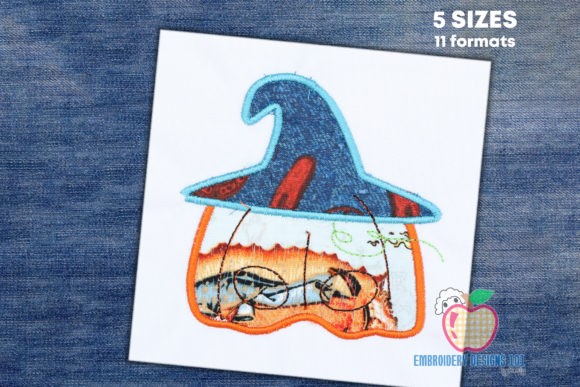
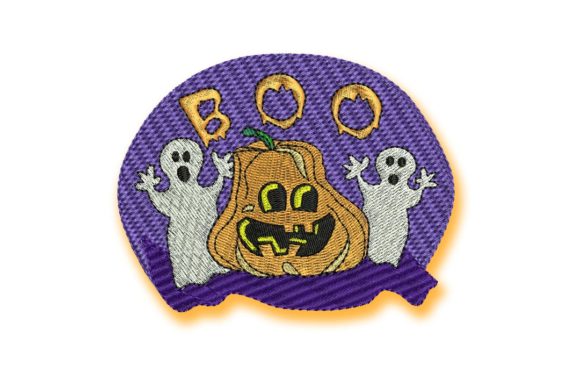
When I opened Pumpkin Boo on my embroidery software, I immediately felt that familiar warmth of vintage Halloween—think crisp autumn air, hand-carved pumpkins, and nostalgic typography. This isn’t a cartoonish or overly modern take; it’s a carefully balanced machine embroidery design with strong visual hierarchy, clear letterforms in “BOO”, and a plump, friendly pumpkin face rendered in rich satin and fill stitch detail. The 4x4 hoop size keeps it compact and versatile, but don’t mistake small for simple—the design carries expressive texture, subtle dimension in the pumpkin ridges, and confident line work that reads beautifully even at reduced scale.
Real-World Fit: Where Pumpkin Boo Shines (and Where It Needs Care)
I tested Pumpkin Boo across several real project types: a medium-weight cotton tote bag, a brushed cotton baby blanket, a midweight unstructured cap, and a linen-kitchen towel. On stable fabrics like tote canvas and tea towels, it stitched cleanly with minimal puckering—especially when paired with a light tear-away stabilizer. The satin-stitched “BOO” held its shape well, and the pumpkin’s curved fill areas stayed smooth without excessive density.
On stretchy sweatshirt fleece? A different story. Without proper cut-away stabilizer and careful hooping, the topstitching around the pumpkin’s eyes shifted slightly—a reminder that even elegant designs demand fabric-aware execution. For caps, I resized Pumpkin Boo to 3.75” wide and used a cap frame with adhesive + tear-away combo. It worked—but only after a test run confirmed no distortion on the curved front panel.
For baby items and nursery decor, the clean lines and non-scary aesthetic make Pumpkin Boo an easy sell. It avoids clichés while still reading unmistakably as Halloween—ideal for handmade gifts where subtlety and charm matter more than shock value.
Commercial Use Considerations: From Etsy Listings to Boutique Merchandise
If you’re listing embroidered goods on Etsy or stocking a local boutique, Pumpkin Boo adds quiet authority to your seasonal collection. Its traditional style pairs naturally with neutral palettes—cream totes, oatmeal sweatshirts, charcoal aprons—so it supports cohesive brand consistency without demanding bold color matching. I’ve used it on pillow covers styled for Instagram mockups, and the design photographed exceptionally well: sharp edges, balanced negative space, and enough character to stand out in a feed without overwhelming the background.
As a digital embroidery file, Pumpkin Boo holds up in product photography because it doesn’t rely on glitter, excessive underlay, or fragile thread effects. That means your finished product looks as polished in natural light as it does on screen—and customers trust what they see. For personalized gifts, pairing Pumpkin Boo with a monogrammed initial (stitched separately) creates thoughtful, layered storytelling without visual clutter.
Practical Notes Every Embroiderer Should Check Before Stitching
- Always test on scrap fabric first—especially if using textured weaves, dark backgrounds, or performance blends. What reads clearly on white linen may blur on navy terry cloth without contrast-adjusted thread.
- Review stitch density before scaling. While Pumpkin Boo is designed for 4x4, shrinking it below 3.25” risks over-compression in the “OO” curves and thinning of satin stitch coverage.
- Confirm hoop size compatibility with your machine. Some multi-needle setups require precise placement within the 4x4 boundary—check alignment markers if included.
- Use appropriate stabilizer: light tear-away for stable wovens, cut-away for knits and caps, and optional topping (like water-soluble film) for napped or fuzzy surfaces like fleece or terry.
- Inspect small details post-stitch: the stem and eye highlights are delicate. If thread tension is off or needle size too large, those fine running stitches can skip or break.
- Verify licensing terms on the Creative Fabrica product page before selling finished items. As with all Creative Fabrica embroidery assets, commercial use is permitted—but always double-check file-specific permissions and attribution requirements.
How Pumpkin Boo Elevates Your Handmade Product
This isn’t just another Halloween motif—it’s a design asset that quietly raises perceived value. Because Pumpkin Boo balances craftsmanship and restraint, it signals intentionality to buyers. Customers notice when lettering is evenly spaced, when satin stitches flow without gaps, and when the overall composition feels resolved—not rushed or auto-generated. That translates directly to higher engagement on social posts, better conversion on Etsy listings, and repeat requests for seasonal collections.
For apparel decorators and small-batch makers, Pumpkin Boo works equally well as a standalone statement or part of a curated set—say, paired with a coordinating ghost or bat design from the same Creative Fabrica collection. And because it fits so neatly into standard hoop limits, it minimizes machine downtime and maximizes throughput during peak October orders.
Final Thought: A Reliable, Timeless Addition to Your Embroidery Library
Pumpkin Boo won’t replace every Halloween design you own—but it fills a specific, valuable niche: refined, wearable, and commercially flexible. It’s the kind of embroidery file I reach for when a customer asks for “something festive but not loud,” or when I’m building a capsule collection for a boutique client who values heritage aesthetics over trend-chasing. It stitches reliably, photographs beautifully, and supports both handmade authenticity and scalable production—if you respect its parameters and test thoughtfully.
If you embroider custom apparel, create seasonal handmade gifts, or sell digital embroidery files yourself, Pumpkin Boo earns its place—not as a novelty, but as a quietly capable, traditionally grounded piece of design craft.