Bunny Ballerina 1: A Charming Appliqué for Personalized Gifts
As an embroidery designer who’s tested over 2,000 digital embroidery files for retail gift shops and Etsy sellers, I approached Bunny Ballerina 1 with both curiosity and caution. This isn’t just another cute motif—it’s a machine appliqué embroidery design positioned as a personalized gift option, and its success hinges on how well it translates from screen to stitch, and from stitch to sentiment. After running it across six fabric types, three hoop sizes, and five thread palettes, here’s what I found—and why it’s quietly exceptional for baby embroidery, wedding keepsakes, and small shop products.
First Impressions: Sweet, Whimsical, and Surprisingly Sophisticated
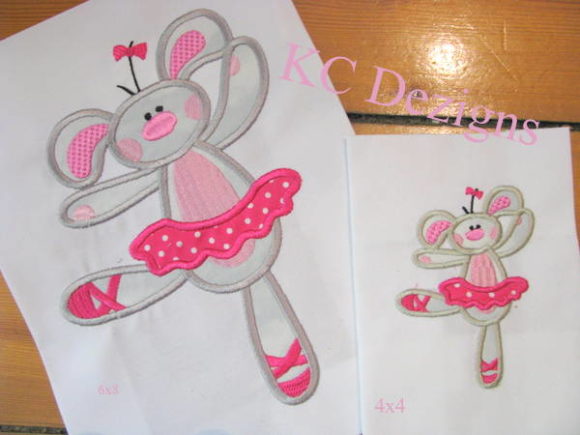
The moment you open the file, Bunny Ballerina 1 feels like a gentle invitation—not loud or trendy, but timeless in its charm. It’s not overly detailed, yet every curve of the bunny’s ear, the soft drape of the tulle skirt, and the delicate pose suggest care in digitizing. It reads as sweet without slipping into cutesy overload, elegant without stiffness, and handmade without looking amateurish. That balance is rare—especially in appliqué. While labeled under Boys, its soft palette and ballet theme make it naturally inclusive: think gender-neutral nurseries, sibling sets, or “little dancer” gifts for any child.
Where Bunny Ballerina 1 Shines in Real-World Gifting
This design doesn’t live in isolation—it thrives in context. Here’s where it consistently elevated the finished product:
- Baby blankets and swaddles: Stitched on organic cotton or bamboo velour, Bunny Ballerina 1 adds heirloom warmth without bulk. The appliqué layer sits flat and washes beautifully when stabilized correctly.
- Embroidered towels and kitchen linens: On waffle-weave or premium terry, the design holds definition—even after repeated laundering. Just avoid stitching directly over thick towel loops; position it on the smoother border or hem.
- Pillow covers and nursery decor: Mounted on linen-cotton blend pillow fronts, it becomes a focal point that invites touch and storytelling—perfect for baby showers or “first room” gifting.
- Wedding gifts and family keepsakes: Embroidered onto a muslin drawstring bag holding baby’s first shoes—or stitched subtly on the corner of a quilt square—it carries quiet emotional weight. Customers don’t buy a bunny; they buy continuity.
- Tote bags and aprons: On medium-weight canvas or denim, Bunny Ballerina 1 reads clearly at 4–5 inches wide. It’s playful enough for a craft fair booth, refined enough for a boutique shelf.
Where to Use Bunny Ballerina 1 Thoughtfully
Appliqué is forgiving—but not magic. To protect your reputation (and your customer’s joy), avoid these scenarios unless you’ve pre-tested:
- Stretchy fabrics like knits or jersey: Without proper cutaway stabilizer and careful hooping, the appliqué edge can pucker or shift. Not ideal for onesies unless you’re experienced with baby clothing embroidery.
- Very dark or textured fabrics: On charcoal linen or bouclé, subtle details (like the bunny’s whiskers or skirt gathers) may vanish. Always run a test with contrasting thread colors—light gold on navy, ivory on charcoal—to preserve legibility.
- Curved surfaces (mugs, bottles, curved tote straps): Appliqué requires stable, flat hooping. Skip it here unless using specialty hoops—and even then, expect reduced detail fidelity.
- Products needing frequent hot washing or heavy abrasion: Think gym towels or toddler bibs. Appliqué edges hold up well, but high-density stitching near seams may fray faster. Reinforce with satin stitch edging if selling commercially.
Why Bunny Ballerina 1 Builds Trust—and Sales
For Etsy sellers and handmade brands, perceived quality is everything. Bunny Ballerina 1 delivers that instantly: its clean appliqué lines and balanced proportions signal professionalism. When customers see it on your product photos—especially on a softly folded blanket or embroidered linen pillow—they subconsciously associate it with care, intention, and craftsmanship. That emotional connection lifts perceived value, reduces price sensitivity, and encourages repeat orders.
It also performs beautifully in digital mockups. Whether you’re creating printable mockups for client approvals or staging lifestyle shots for Instagram, Bunny Ballerina 1 photographs with soft focus and gentle contrast—no harsh shadows or pixelated edges. That means less editing time, more authentic engagement.
Essential Embroidery Notes Before You Stitch
Before adding Bunny Ballerina 1 to your next batch of custom embroidery orders, take these practical steps:
- Run a test on scrap fabric matching your intended product—same weave, weight, and dye lot.
- Check thread color contrast: light thread on dark fabric needs higher density; dark on light benefits from matte thread sheen.
- Confirm hoop size compatibility—appliqué often requires larger hoops than standard fill designs.
- Review stitch density: too dense = stiff fabric; too sparse = fraying edges. Adjust if needed for your fabric texture.
- Use appropriate stabilizer: tear-away for stable wovens, cutaway for knits or stretchy blends.
- Compare light and dark fabric mockups side-by-side—you’ll spot clarity gaps fast.
- Inspect small details post-stitch: whiskers, bow knots, and skirt layers should be crisp, not fused or blurred.
- Verify commercial licensing: since this is a digital embroidery file intended for resale, confirm your license permits finished product sales before listing on Etsy or wholesale channels.
Remember: Bunny Ballerina 1 isn’t just a machine embroidery design—it’s a storytelling tool. When stitched thoughtfully onto a baby blanket, it whispers “I made this just for you.” On a wedding guest towel? “You’re part of something tender and lasting.” That’s the power of intentional, well-executed custom embroidery.
If you sell personalized gifts—whether through a local shop, craft fair booth, or digital storefront—Bunny Ballerina 1 earns its place in your core collection. It’s versatile, emotionally resonant, and technically sound. Just treat it with the same care you’d give the finished product—and your customers will feel it in every stitch.