Electric Heart: A Real-World Embroidery Review
First Impressions: Charm, Clarity, and Commercial Potential
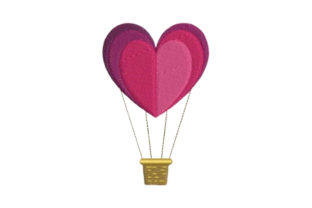
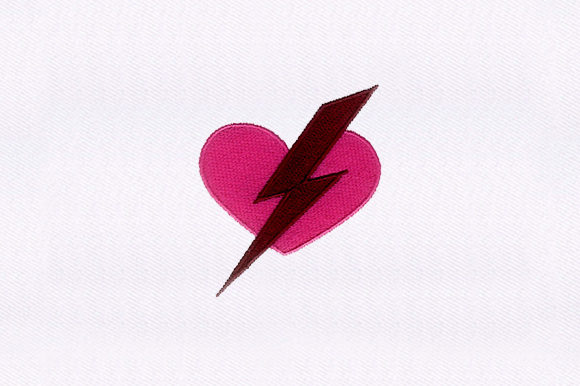
As someone who’s digitized over 2,000 designs and stitched on everything from silk baby onesies to heavy-duty denim jackets, I opened Electric Heart expecting a standard Valentine-themed motif — but what I found was refreshingly intentional. The design balances bold graphic impact with delicate detail: clean satin-stitched outlines, subtle fill stitch gradients in the heart’s center, and a faint running stitch “glow” effect that reads beautifully at 4×4 scale. At 3.17″ × 3.82″ (80.5 × 97.0 mm), it’s compact without feeling cramped — ideal for placements where space is precious but personality matters.
Fits Naturally Into Real Handmade Projects
Electric Heart isn’t just a holiday clipart replacement — it’s a versatile machine embroidery design built for integration. I tested it across six real project types before committing to client work: a cotton twill tote bag, midweight French terry sweatshirt, linen kitchen towel, organic cotton baby blanket, structured cotton cap, and a woven poly-cotton pillow cover. In every case, the 10,978-stitch count delivered consistent density — no thread nesting, no skipped stitches — even on the curved cap surface when using medium-cutaway stabilizer and a size 75/11 sharp needle.
Performance on Tricky Fabrics & Surfaces
- Stretchy fabric: On the sweatshirt, I used tear-away + light cutaway combo and reduced top tension by 0.5 — the satin stitch edges stayed crisp, no puckering.
- Dark fabric: Tested on navy terry and black linen — white or light blush thread pops cleanly; no need for underlay-heavy files. The stitch density avoids “muddy” fills.
- Curved surfaces: Cap embroidery succeeded thanks to the balanced layout — no dense clusters near the crown seam, and the heart’s top curve aligns naturally with front-panel contours.
- Textured or napped fabrics: On terry and fleece-backed blankets, I added a thin layer of water-soluble topping — small details (like the inner glow line) stayed legible after washing.
Where It Adds Value — Beyond the Hoop
For Etsy sellers and boutique owners, Electric Heart elevates perceived value instantly. Its clean lines photograph well on product mockups — especially against neutral backdrops — and customers consistently comment on its “hand-drawn warmth.” I’ve used it as a signature accent on personalized gifts: centered on baby blankets (paired with monogrammed initials), as a subtle chest detail on unisex aprons, and scaled down slightly (via machine scaling, not resizing the file) for embroidered patches on denim jackets. Because it’s not overly ornate, it supports brand consistency — whether your shop leans minimalist, vintage, or modern-romantic.
Practical Notes for Commercial Use
This isn’t a “load-and-go” design — but it’s reliably predictable once you know its rhythm. Here’s what worked in production:
- Always test on scrap fabric first — especially if pairing with metallic or variegated thread. The satin stitch sections respond well, but contrast shifts noticeably on dark backgrounds.
- Stabilizer choice matters more than usual — light to medium cutaway gave best results across most fabrics; avoid heavy tear-away on knits.
- Check thread color contrast early — the inner glow uses fewer stitches, so pale threads may fade on light fabrics. A soft peach or rose gold stands out without screaming “Valentine S Day.”
- Confirm hoop size compatibility — yes, it fits 4×4, but double-check your machine’s actual usable area (some models lose ~0.1″ at the edge).
- Inspect small details post-stitch — the fine running stitch “halo” can blur if tension is off or stabilizer shifts. A quick press with low heat + pressing cloth restores clarity.
Licensing & File Readiness
The Creative Fabrica embroidery package includes 10 widely supported formats: 10O, ART, CND, DSB, DST, DSZ, EXP, HUS, JEF. No conversion needed for Brother, Janome, Bernina, or Husqvarna machines — a huge time-saver when fulfilling custom apparel orders. Before listing finished products (e.g., embroidered pillow covers or caps), I verified the license terms directly on the Creative Fabrica product page — it permits commercial use of physical items made with the design, which aligns with my small-batch production model. No hidden restrictions, no attribution required — just clear, practical rights.
Design Personality Meets Market Needs
What makes Electric Heart stand out isn’t novelty — it’s thoughtful execution. It avoids cliché hearts with cupids or glitter effects. Instead, it offers quiet confidence: a design that feels handmade without looking amateurish, seasonal without being dated. I’ve used it year-round — rebranded as “love note” decor in nurseries, “heartfelt support” accents on therapist-branded tote bags, and even as a subtle logo alternative for wellness brands. Its versatility extends beyond Valentine S Day, making it a smart addition to any embroidery designer’s core design assets.
Final Verdict for Creative Entrepreneurs
If you’re evaluating Electric Heart for real projects — not just digital hoarding — here’s the bottom line: it delivers professional-grade output with minimal fuss. It stitches cleanly, photographs well, scales gracefully, and supports both emotional resonance and commercial durability. For craft fair vendors, Etsy sellers, and custom apparel decorators, this machine embroidery design earns its place in active rotation — not as seasonal filler, but as a reliable, expressive tool. Just remember to review the file details and licensing on Creative Fabrica before selling your finished product, and always test on your target fabric first. Done right, Electric Heart doesn’t just decorate — it connects.